The trend of bringing large language models to empathy and empathic relatedness is a game changer. The question is not whether the generative AI can be empathic, but the extent to which the designers are able to distinguish responsiveness from “stroking one’s ego,” sycophancy (servile flattery), and the extent to which prospective clients decide to engage (both open questions at this date (Q1 2026)).
brain science
A Message of Hope and Hard Work: The Brain that Changes Itself
I have been catching up on my reading. Norman Doidge’s book, The Brain that Changes Itself (Penguin, 427pp. ($18)), was published in 2007, now some twelve years ago. This publication occurred towards the beginning of the era of neuro-hype that now… Read More ›
Review: Einfühlung is now an English word: Susan Lanzoni’s Empathy: A History connects the dots between the many meanings of empathy
Short review: two thumbs up. Superb. Definitive. Well written and engaging. Innovative and even ground-breaking. Connects the dots between the different aspects and dimensions of empathy. Sets a new standard in empathy studies. The longer – much longer – review… Read More ›
Review: Mind Fixers: Psychiatry’s Troubled Search for the Biology of Mental Illness by Anne Harrington
In spite of the many patients who have been helped to lead emotionally stable, more productive lives thanks to two generations of psychopharmacological medicines, psychiatry is facing an ongoing challenge of its foundation and legitimacy. That is the take-away in… Read More ›
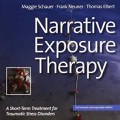
Review: Narrative Exposure Therapy (NET) – and Empathy
The reader in Chicago may say that’s fine, but what has it got to do with the situation here in the USA? We do not have child soldiers or wide spread traumatized populations. Think again. Gangs are recruiting children of tender age not only as messengers but also as triggermen, because they know youngsters will face a different criminal justice system and process, generally more lenient, than adults.
Narrative versus Neuroscientism
Review: Alex Rosenberg’s How History Gets Things Wrong: The Neuroscience of Our Addiction to Stories(The MIT Press, 289 pp., $27.95US). Henry Ford said: “History is bunk.” The privileged, the victors, those with an ax to grind, and those with the… Read More ›
Three books on empathy: The good, the bad, and the ugly
The first empathy book reviewed here is very good indeed. William Miller’s Listening Well: The Art of Empathic Understanding (Wipf and Stock, 114pp, ($18US)) is a short book. Admirably concise. My short review is that, as I am author of… Read More ›
Review: The Empathy Effect by Helen Riess
The force of empathy is strong with Helen Riess, MD, and her team. In The Empathy Effect: 7 Neuroscience-based Keys for Transforming the Way We Live, Love, Work, and Connect Across Differences(with Liz Neporent, Forward by Alan Alda (Sounds True… Read More ›
Empathy and Neuroscience Class: Register Now [UChicago Graham School]
Empathy is oxygen for the soul. So if you are feeling short of breath due to life stresses, perhaps one needs expanded empathy. Get some here. This is what you need to know to register. Further details on the course content… Read More ›
Empathy trends: My score for last year’s (2016) top ten list of trends
This is the score for my trends from last year (2016). I ascribe “thumbs up” or “thumbs down.” A “thumbs down” means that while the trend might still get traction at some point in the future, it has not really… Read More ›