Empathy and Literature

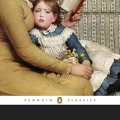
Henry James’ Depiction of Unreliable Parental Empathy in “What Maisie Knew”

James’ incomparable empathy with Maisie and his penetrating and astute comprehension of human relations writ large applies empathy in the extended sense to who people are as possibilities, walking in the other’s shoes (after, of course, first taking off one’s own to avoid projection), translating communications between adults and children (and adults and adults) as well as affect-matching and mis-matching (empathy in the narrow sense).

Juneteenth: Beloved in the Context of Radical Empathy

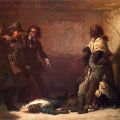
“Beloved” is the name of a person. Toni Morrison builds on the true story of Margaret Garner, an enslaved person, who escaped with her two children even while pregnant with a third, succeeding in reaching freedom across the Ohio River in 1854. However, shortly thereafter, slave catchers (“bounty hunters”) arrived with the local sheriff under the so-called fugitive slave act to return Margaret and her children to slavery. Rather than submit to re-enslavement, Margaret tried to kill the children, also planning then to kill herself. She succeeded in killing one, before being overpowered. The dead returns as a ghost – Beloved.