Listen on Spotify: https://open.spotify.com/episode/6WfkpUS9UPLZ2J6j3uCUVJ?si=i27E490CSmWUj3AcRtTDgQ Empathy is good for your health and well-being: Empathy is on a short list of stress reduction practices including meditation (mindfulness), Tai Chi, and Yoga. Receiving empathy in the form of a gracious and generous listening is… Read More ›
talk therapy
Online (cyber) therapy: The genie is out of the bottle
Psychotherapy invokes a virtual reality all of its own – even without cyber space. This is especially the case with dynamic psychotherapy that activates forms of transference in which one relates to the therapist “as if” in conversation with a past or future person or reality, the latter not physical present. Indeed, with the exception of being careful not to step in front of a bus while crossing the street on the way to therapy, we are usually over-confident that we know the reality of how our relationships work or what people mean by their communications. This is less the case with certain forms of narrowly focused behavioral therapies, which are nevertheless still more ambiguous than is commonly recognized. Never was it truer that meaning – and emotions such as fear – are generated in the mind of the beholder.
Dynamic Therapy “Lite”? Interpersonal Therapy (IPT) Gets Traction
Review of: The Guide to Interpersonal Psychotherapy: Updated and Expanded Edition (2007/2018), Myrna M. Weissman, John C. Markowitz, Gerald L. Klerman; Oxford, UK: Oxford University Press, 283 pp. ($34.10 (US$)). Interpersonal therapy (IPT) is a promising, evidence-based, talk therapy. IPT is the… Read More ›
Conversion Disorder: The Human Body is the Best Picture of the Soul
Jamieson Webster writes like a combination of an Exocet missile and a feline feather tease. Webster has previously published on The Life and Death of Psychoanalysis (2012) and with Simon Critchley on Hamlet (Stay Illusion! The Hamlet Doctrine (2014)). Her latest… Read More ›
A Message of Hope and Hard Work: The Brain that Changes Itself
I have been catching up on my reading. Norman Doidge’s book, The Brain that Changes Itself (Penguin, 427pp. ($18)), was published in 2007, now some twelve years ago. This publication occurred towards the beginning of the era of neuro-hype that now… Read More ›
Review: Einfühlung is now an English word: Susan Lanzoni’s Empathy: A History connects the dots between the many meanings of empathy
Short review: two thumbs up. Superb. Definitive. Well written and engaging. Innovative and even ground-breaking. Connects the dots between the different aspects and dimensions of empathy. Sets a new standard in empathy studies. The longer – much longer – review… Read More ›
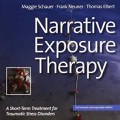
Review: Narrative Exposure Therapy (NET) – and Empathy
The reader in Chicago may say that’s fine, but what has it got to do with the situation here in the USA? We do not have child soldiers or wide spread traumatized populations. Think again. Gangs are recruiting children of tender age not only as messengers but also as triggermen, because they know youngsters will face a different criminal justice system and process, generally more lenient, than adults.
REVIEW: Understanding the Borderline Mother by Christine Lawson
I am catching up on my reading. Christine Ann Lawson’s Understanding the Borderline Mother is a classic in its field, with a whopping 396 Amazon reviews (Q1 2019), enjoying a rating of 4.7 out of 5.0. Impressive. (See the bottom of this review… Read More ›
Review: Fictive Narrative Philosophy by Michael Boylan
Review: Michael Boylan. (2019). Fictive Narrative Philosophy. London: Routledge (Taylor and Francis). Short review: two out of two thumbs up. Michael Boylan is a widely published philosopher and the author of substantial literary fiction in a series of six novels… Read More ›
Top 7 Empathy Lessons in Leadership: The Video Replay
In the webcast the participants will engage how to:
• Distinguish empathy from compassion, forgiveness, pity, and “niceness”;
• Establish and maintain boundaries with bullies, slackers, difficult individuals, and friends while still honoring one’s commitment to empathy, to client service, to flourishing financially, to inclusiveness and community;
• Identify failures (breakdowns) in empathy and what to do about it; and
• Expand or contract empathy on demand by overcoming obstacles to empathy.